01 · Cost and dependence
Every change cost money again.
Partners ran on tools custom-built by large vendors like Amdocs, or on massive Excel sheets. They were expensive and slow to build, and even a small change meant going back to the vendor.

 — Facebook Symphony
Operations software for the companies that build the internet.
Led design for Symphony, a product built from scratch: work orders, inventory, user management, scheduling and the Flow Builder automation tool. An open-source Facebook Connectivity initiative, it gave the companies that build internet infrastructure in developing markets the operations software that, until now, only large, well-funded operators could afford.
01Opportunity
Partners ran on tools custom-built by large vendors like Amdocs, or on massive Excel sheets. They were expensive and slow to build, and even a small change meant going back to the vendor.
Outdated, highly technical tools, each with its own interface and steep learning curve, and none made for work in the field.

Work orders lived in one place, inventory in another, and nothing talked to anything else. Manual, repetitive work was everywhere, and with it, many errors.

With Excel instead of a defined system, anyone can give the same equipment or the same place a different name, so the data is never in order. It was hard to find things, hard to see the workload of the technicians, and hard to know where work was stuck. All of it made their work less efficient.

02Solution
Instead of a single tool, Symphony became a connected set of web apps on one design language, so a dispatcher, a planner and an inventory manager each find their work in the same place. A companion mobile app, designed by another designer, put the same work in the hands of technicians in the field; I owned the web experience.
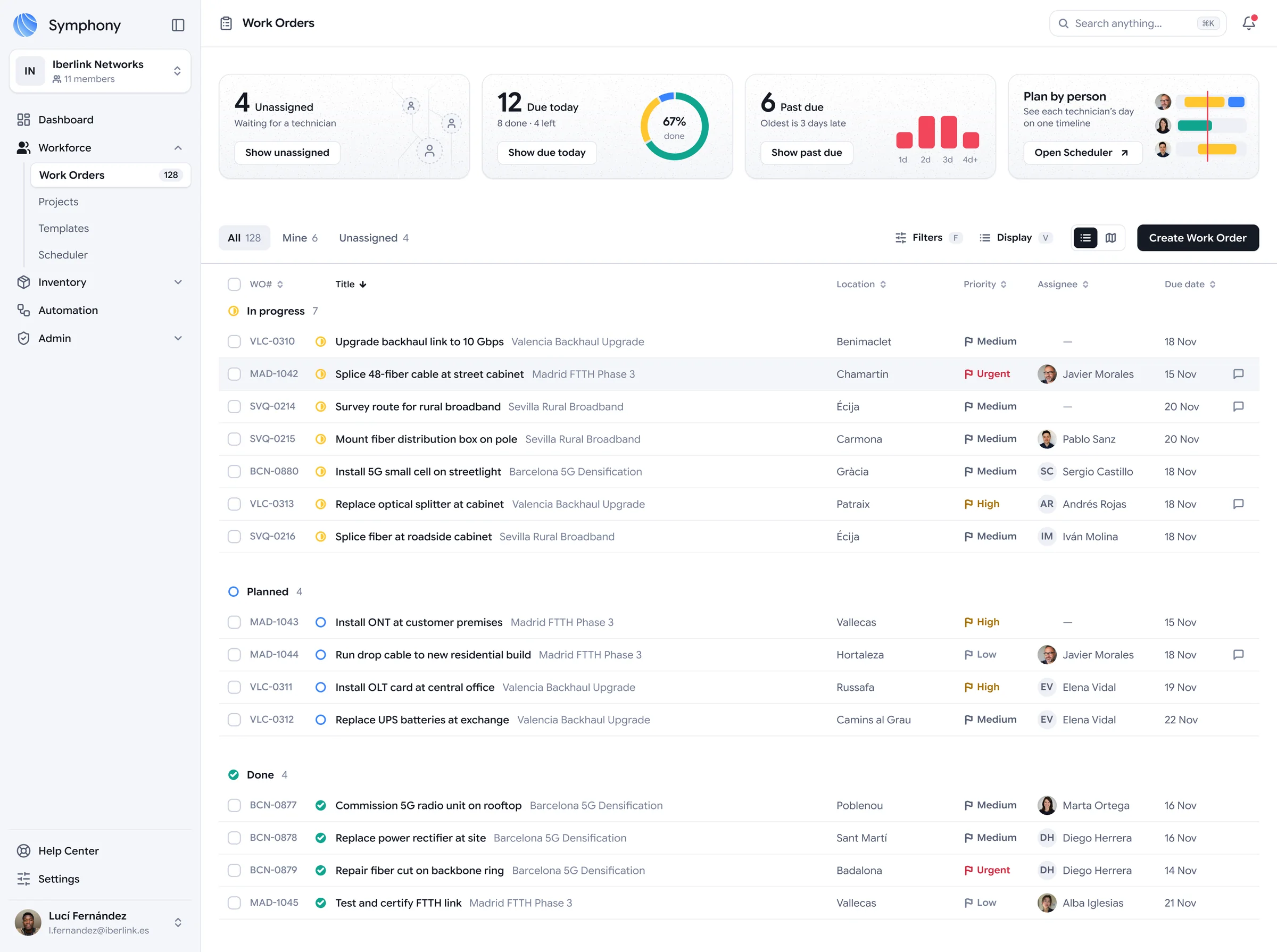
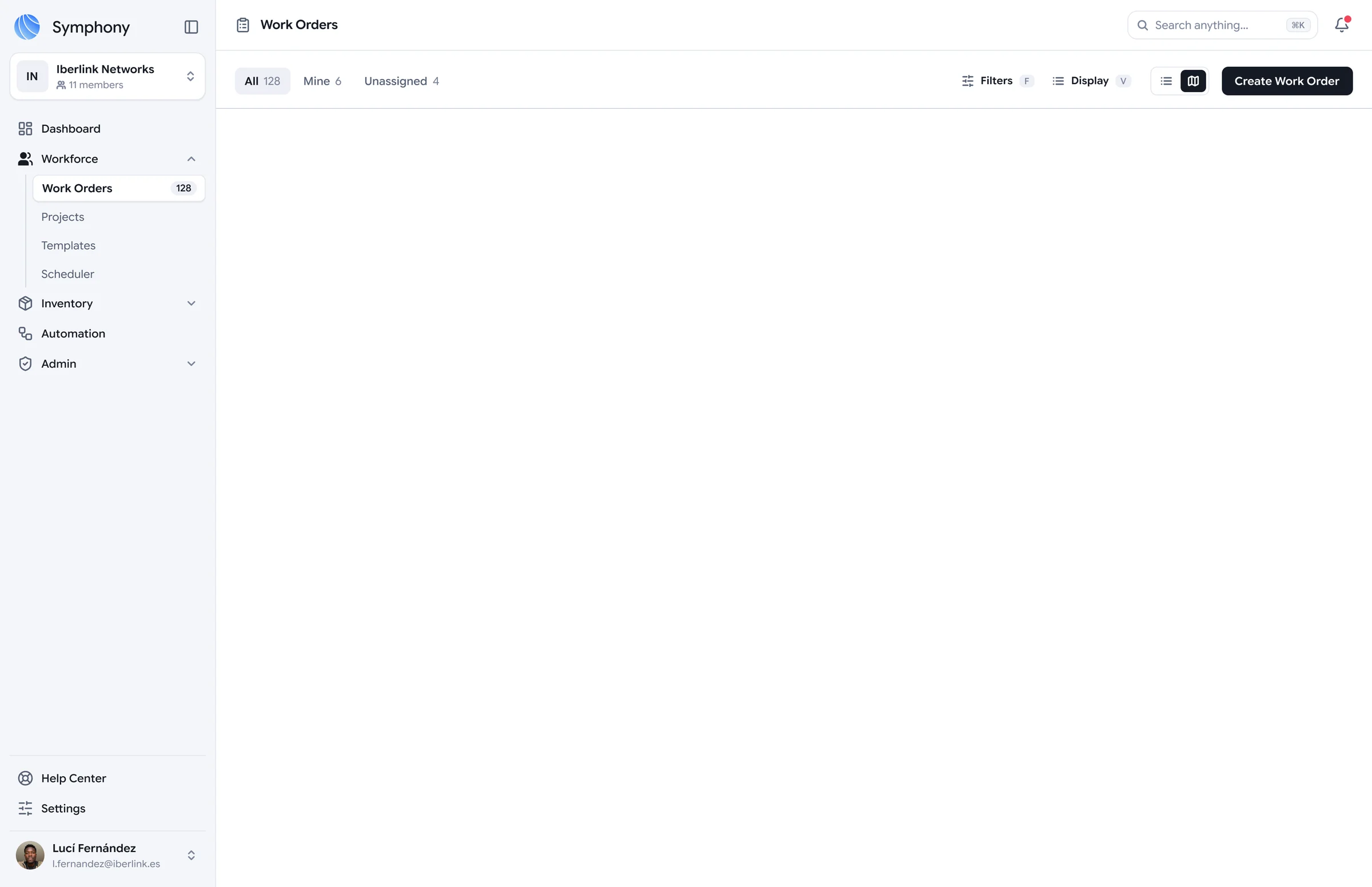
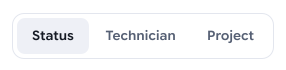
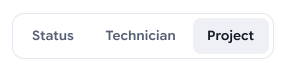
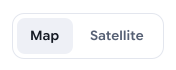
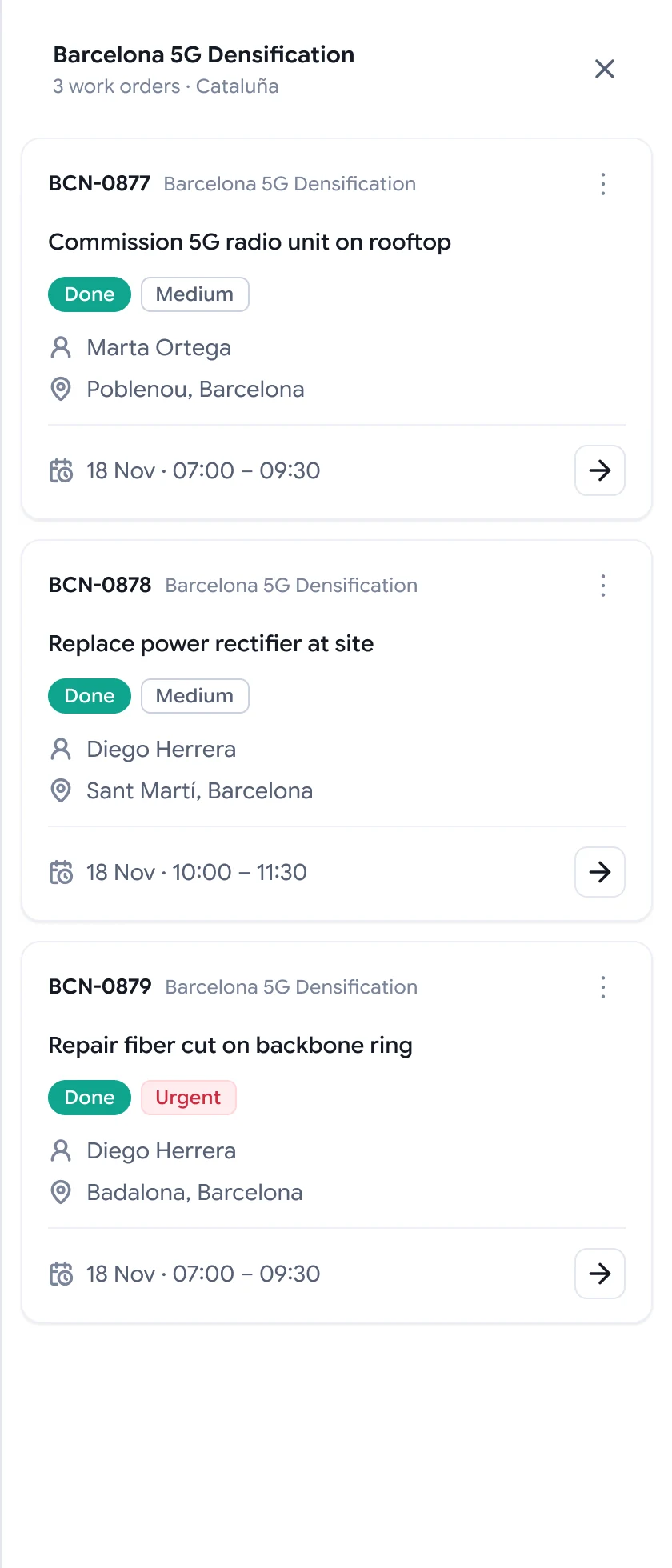
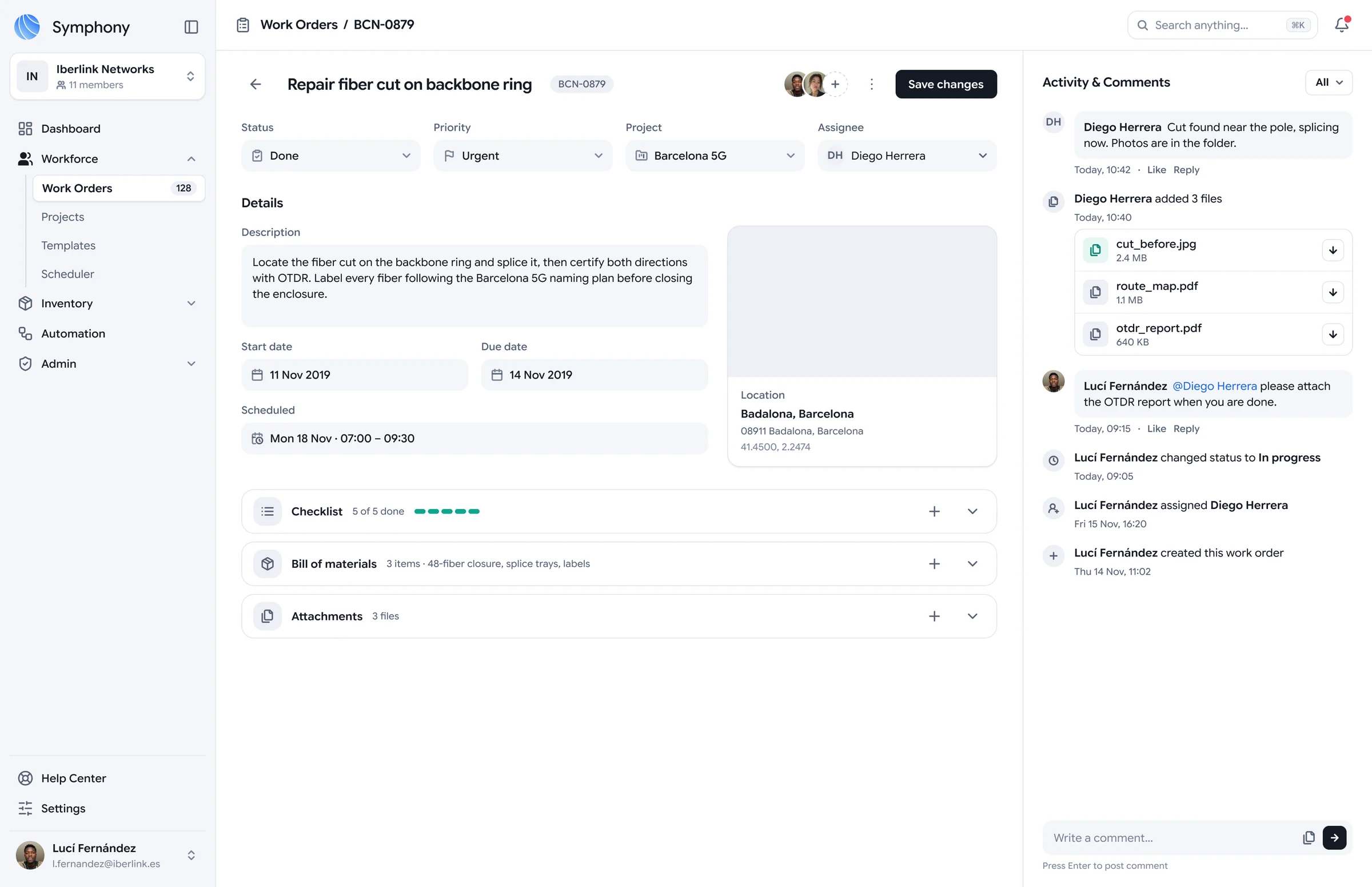
One list or map of every job, grouped by status or project, with bulk actions and a detail page that keeps the conversation, files and history next to the work itself. Planners see where work is and what is late; technicians get exactly what was assigned.





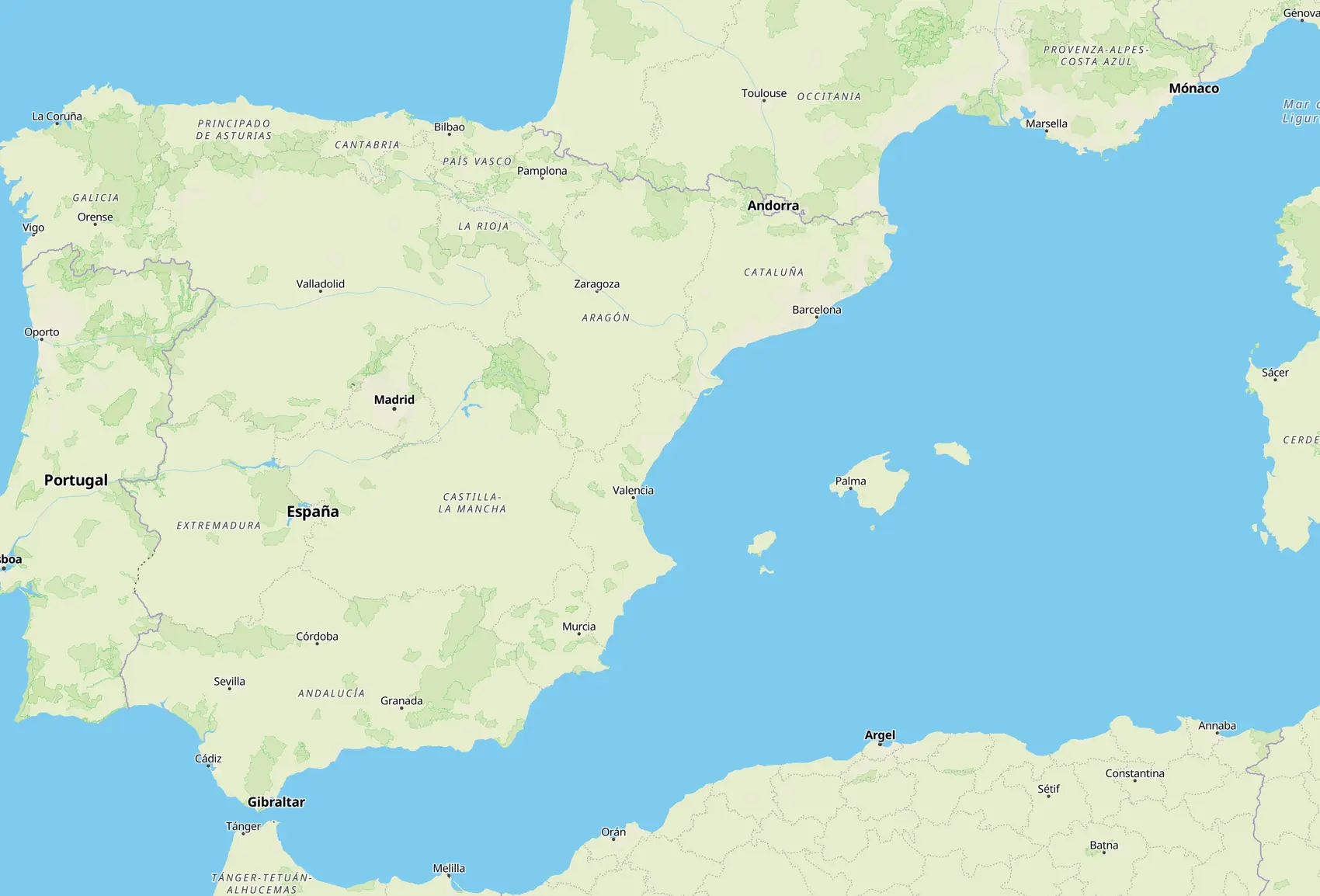
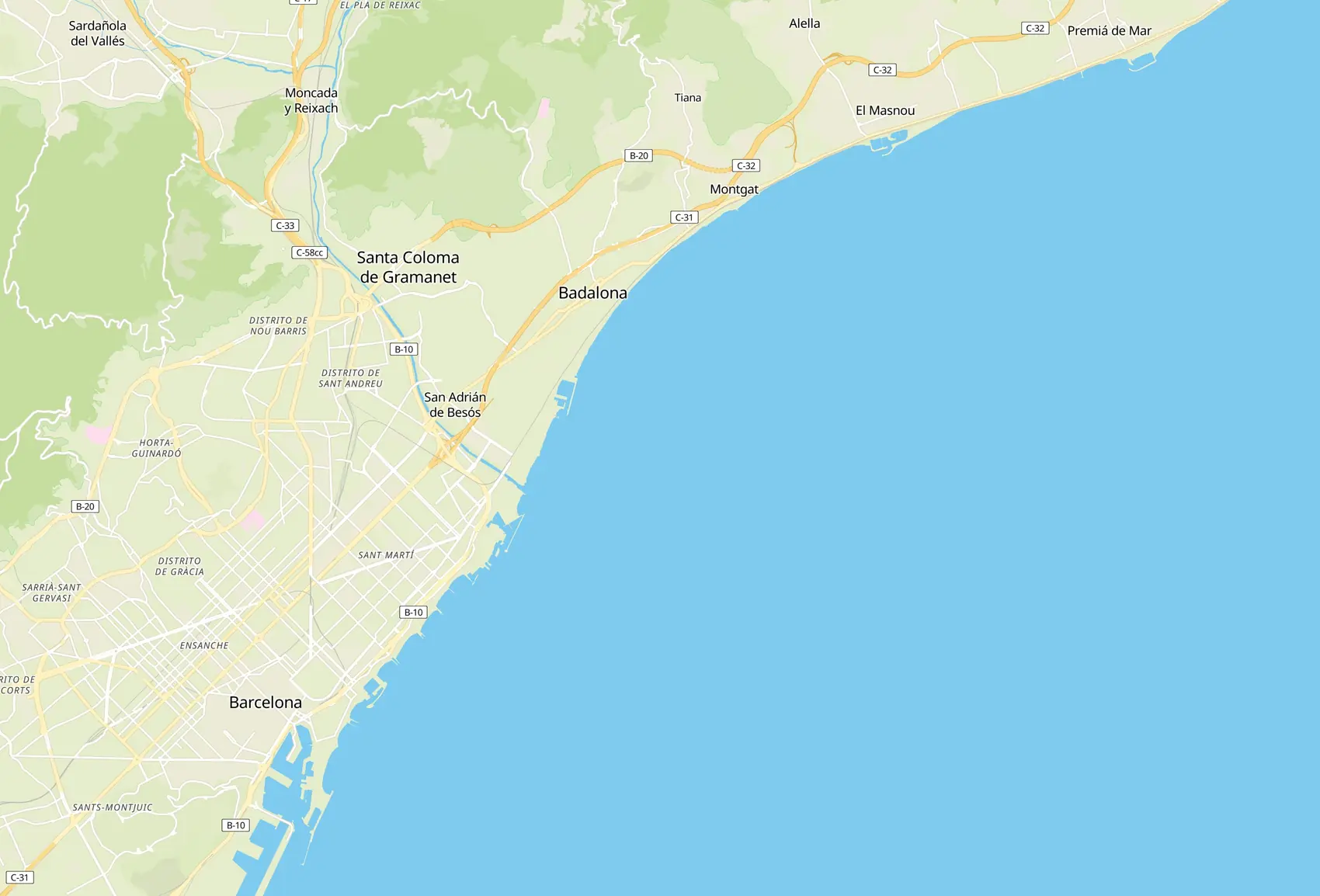


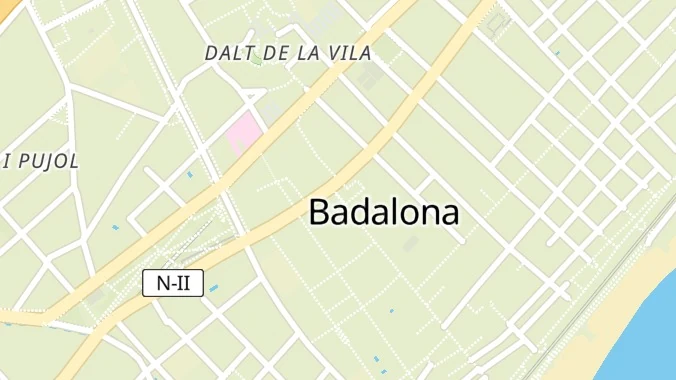
 Madrid FTTH4Barcelona 5G3Valencia Backhaul6


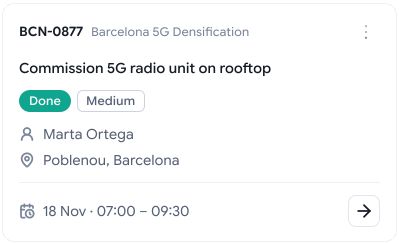
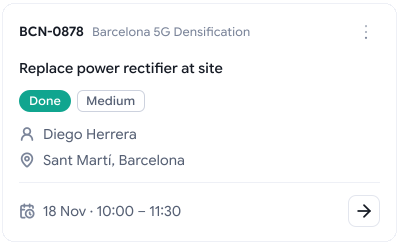
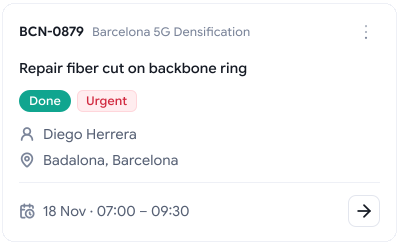

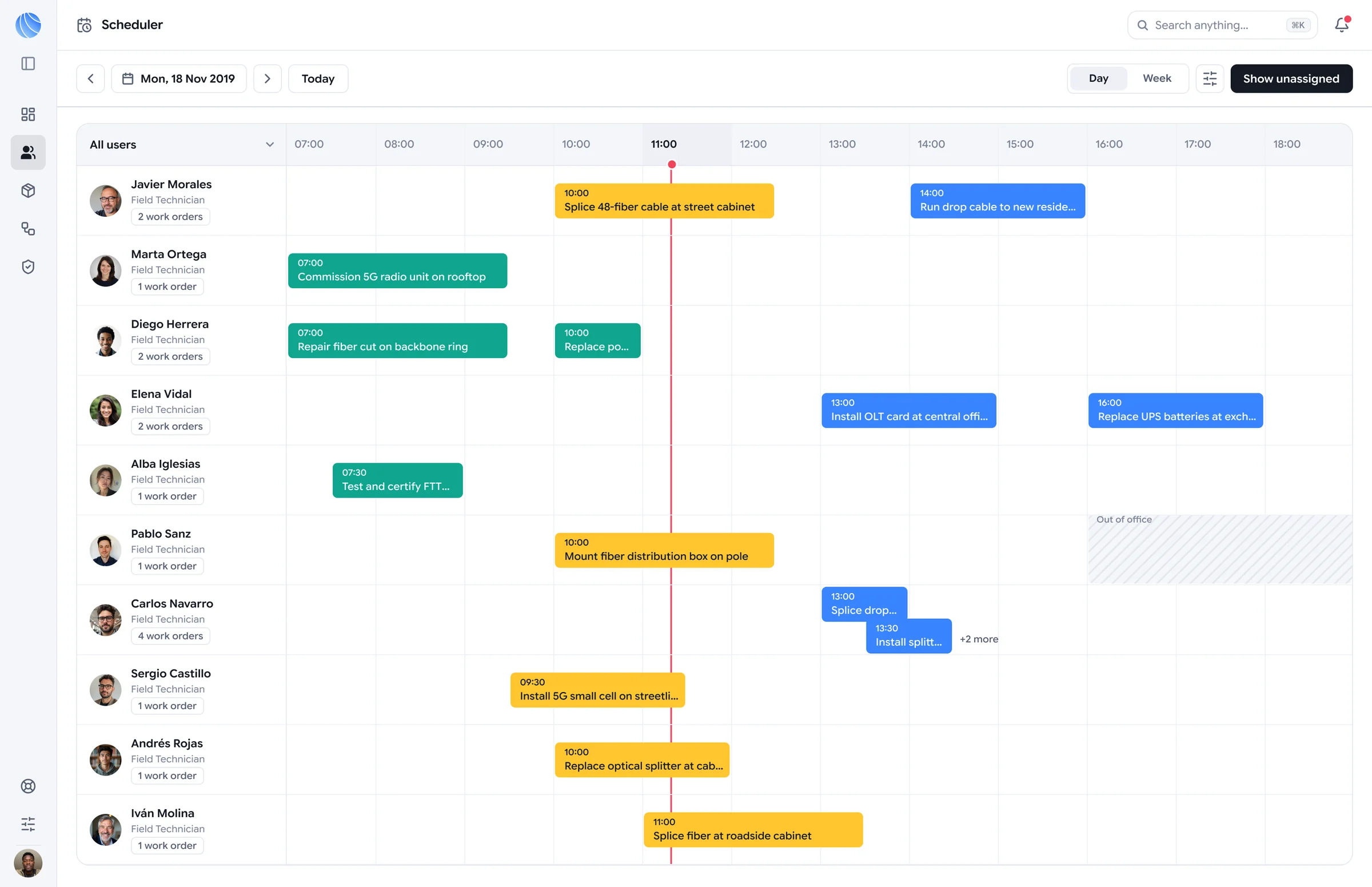
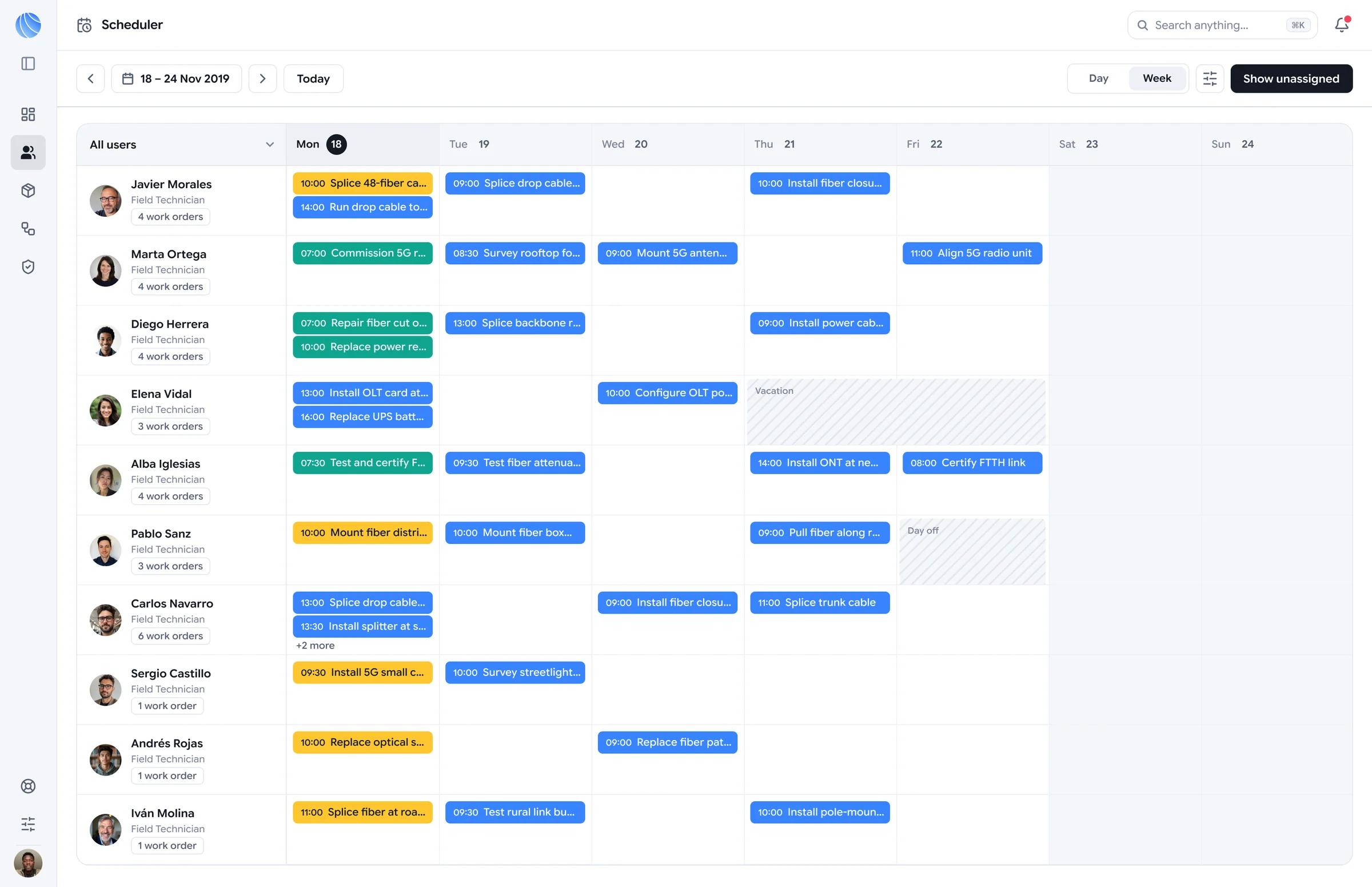
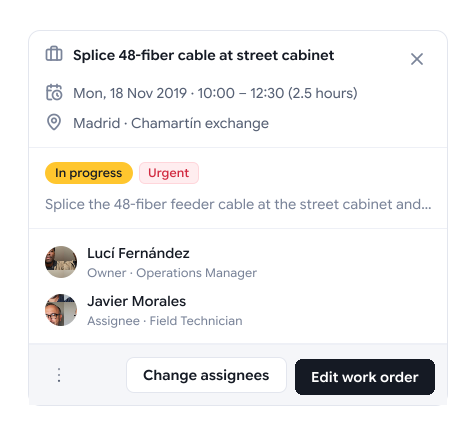
A per-person timeline by day or week, with availability and time off visible at a glance, so assigning work becomes a visual decision instead of a spreadsheet lookup. (Designed and tested with partners; it did not reach release.)
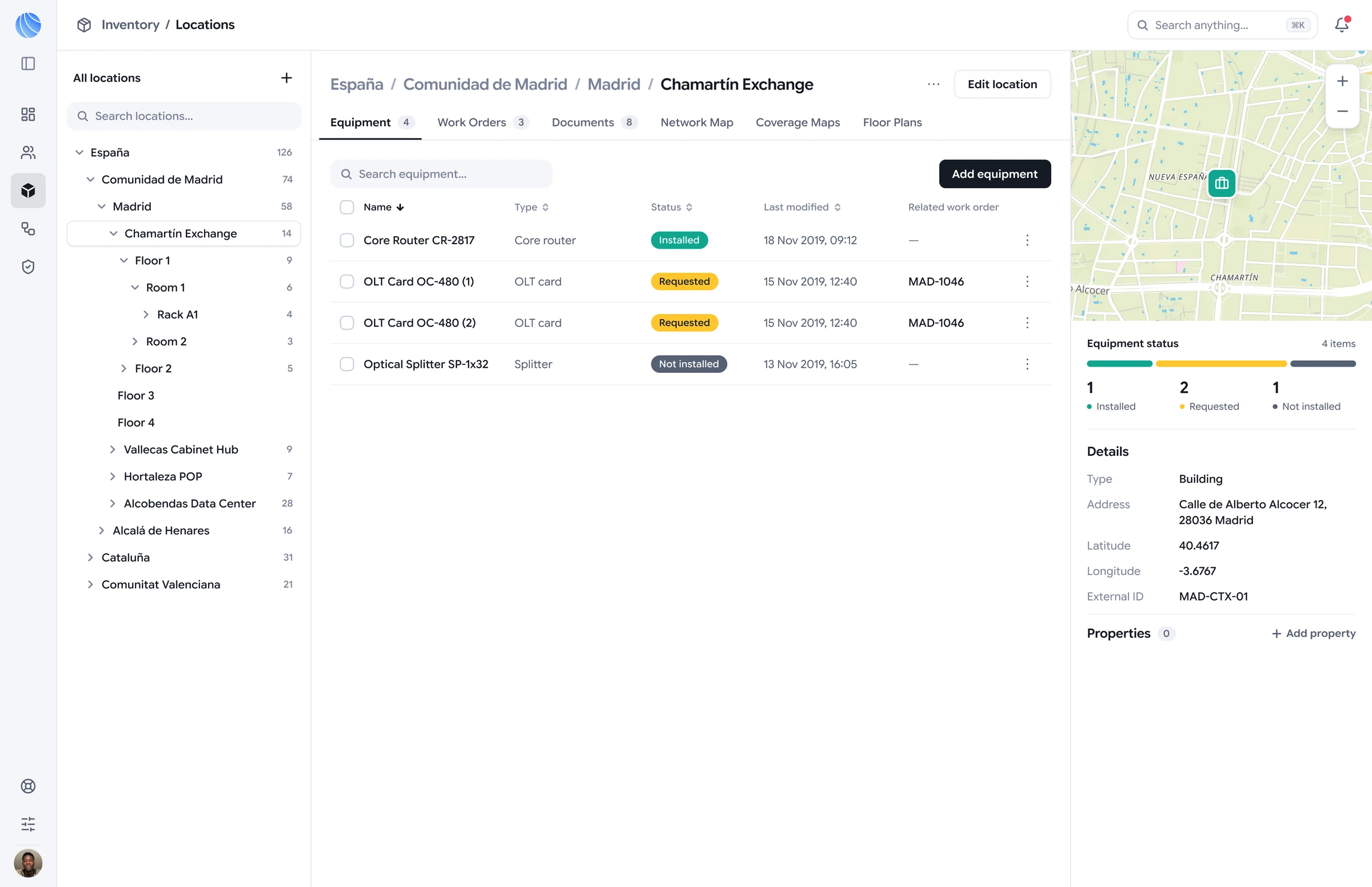
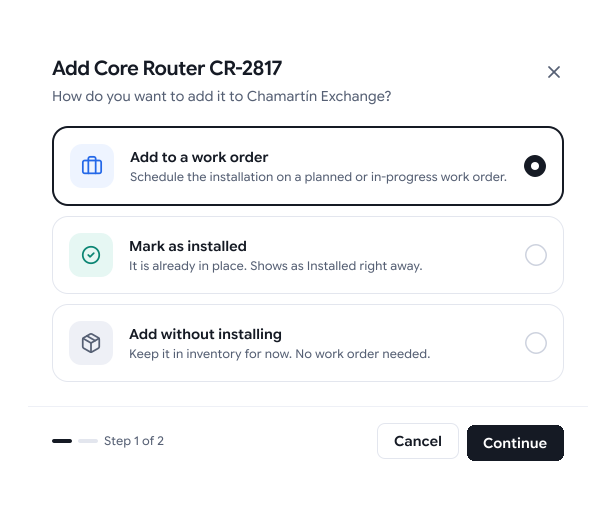
A location tree from country down to rack, with the equipment installed at each place and its status: installed, requested, not installed. Adding equipment connects directly to a work order, so the physical network and the work that changes it stay in sync.
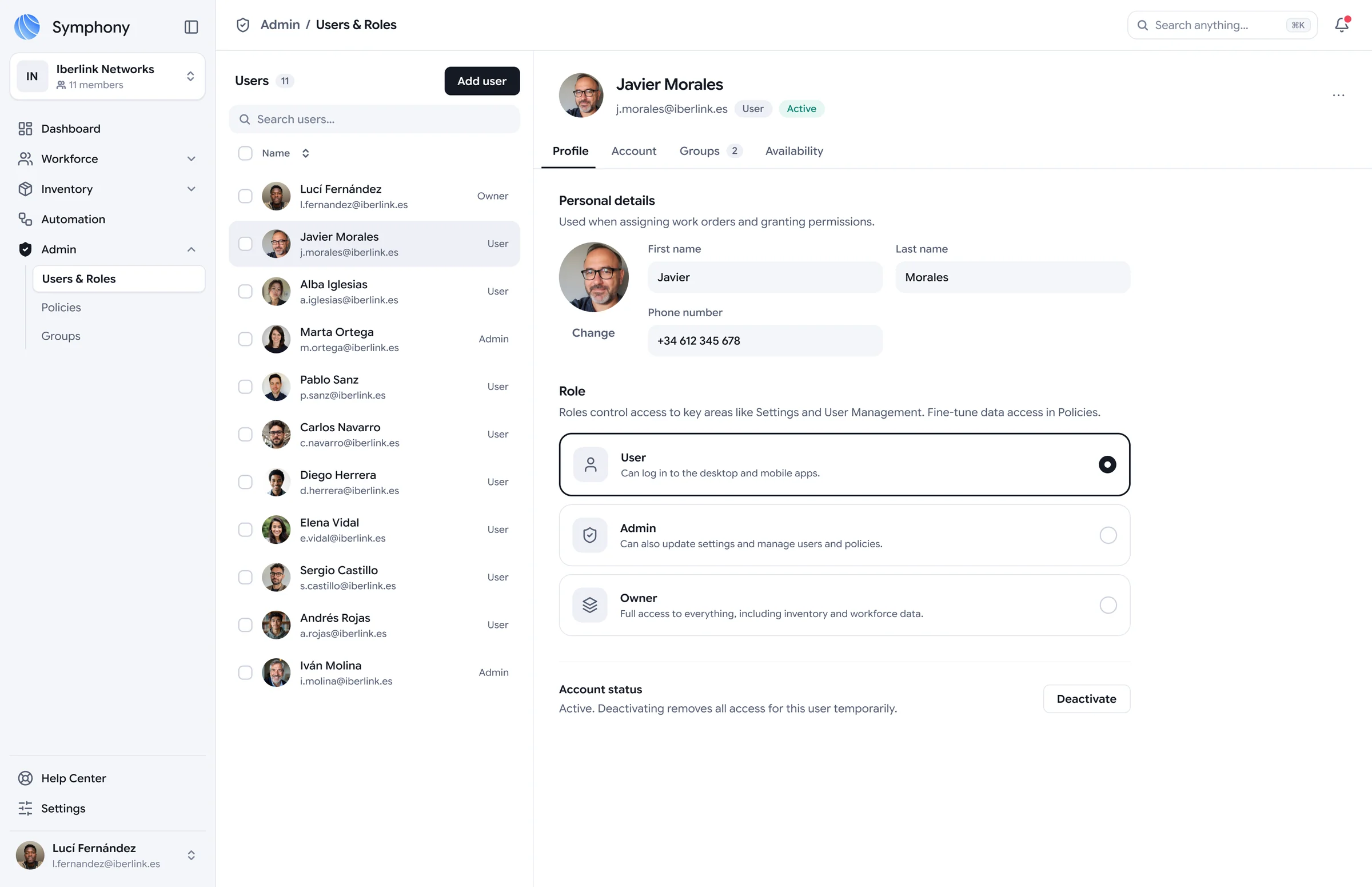
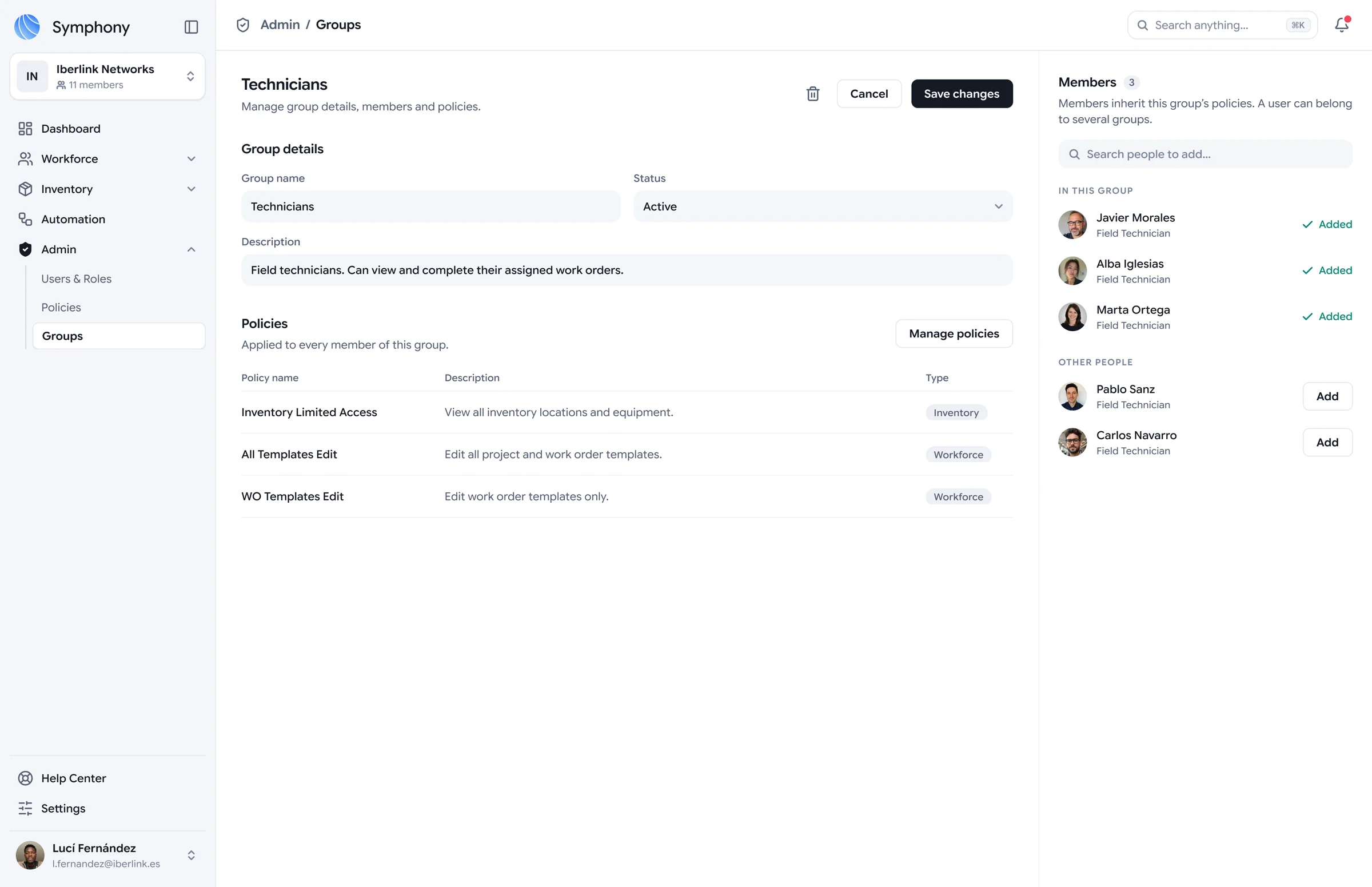
Users, roles, groups and policies in one admin area, so a small team can give each person only the access they need.
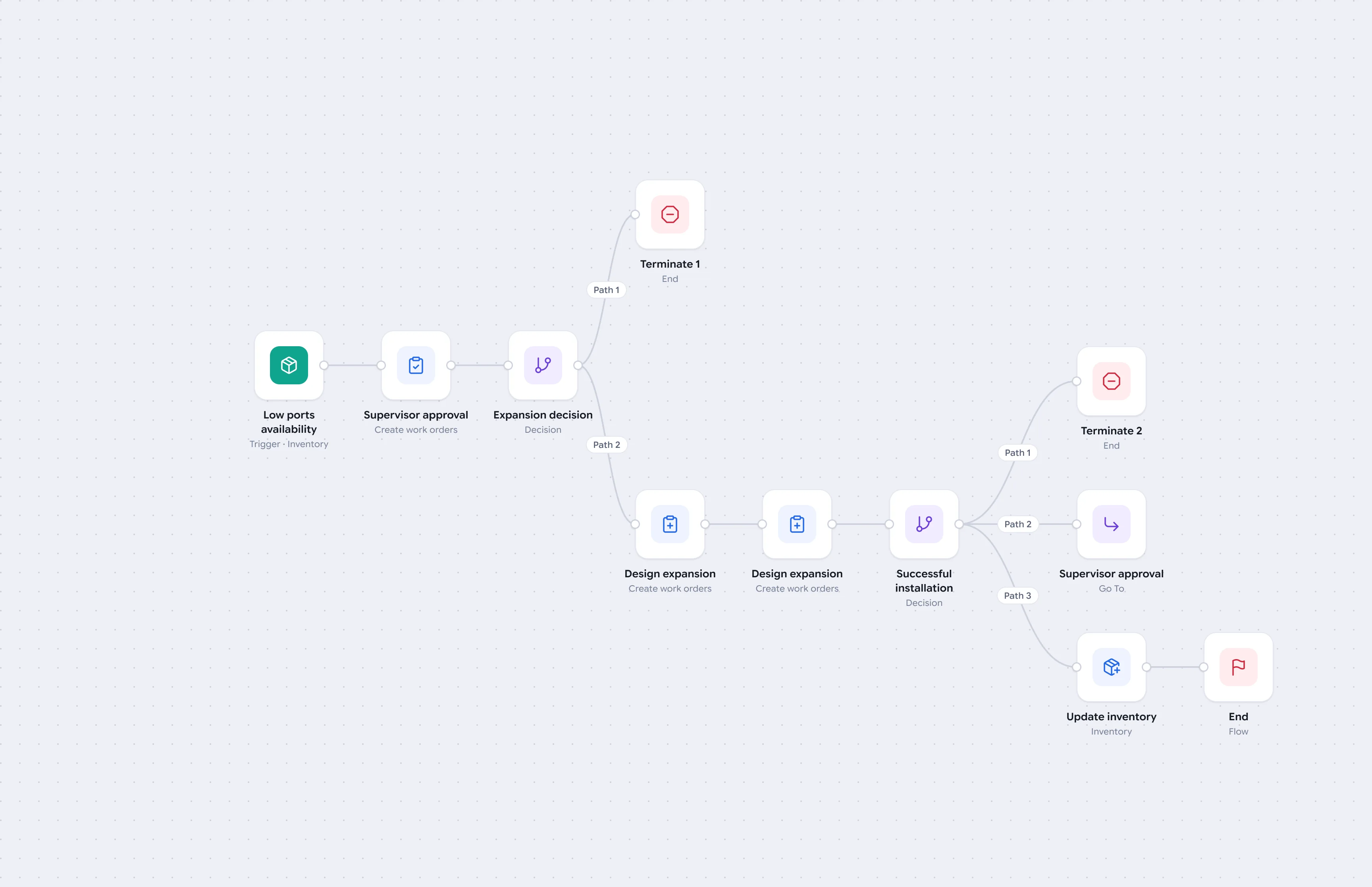
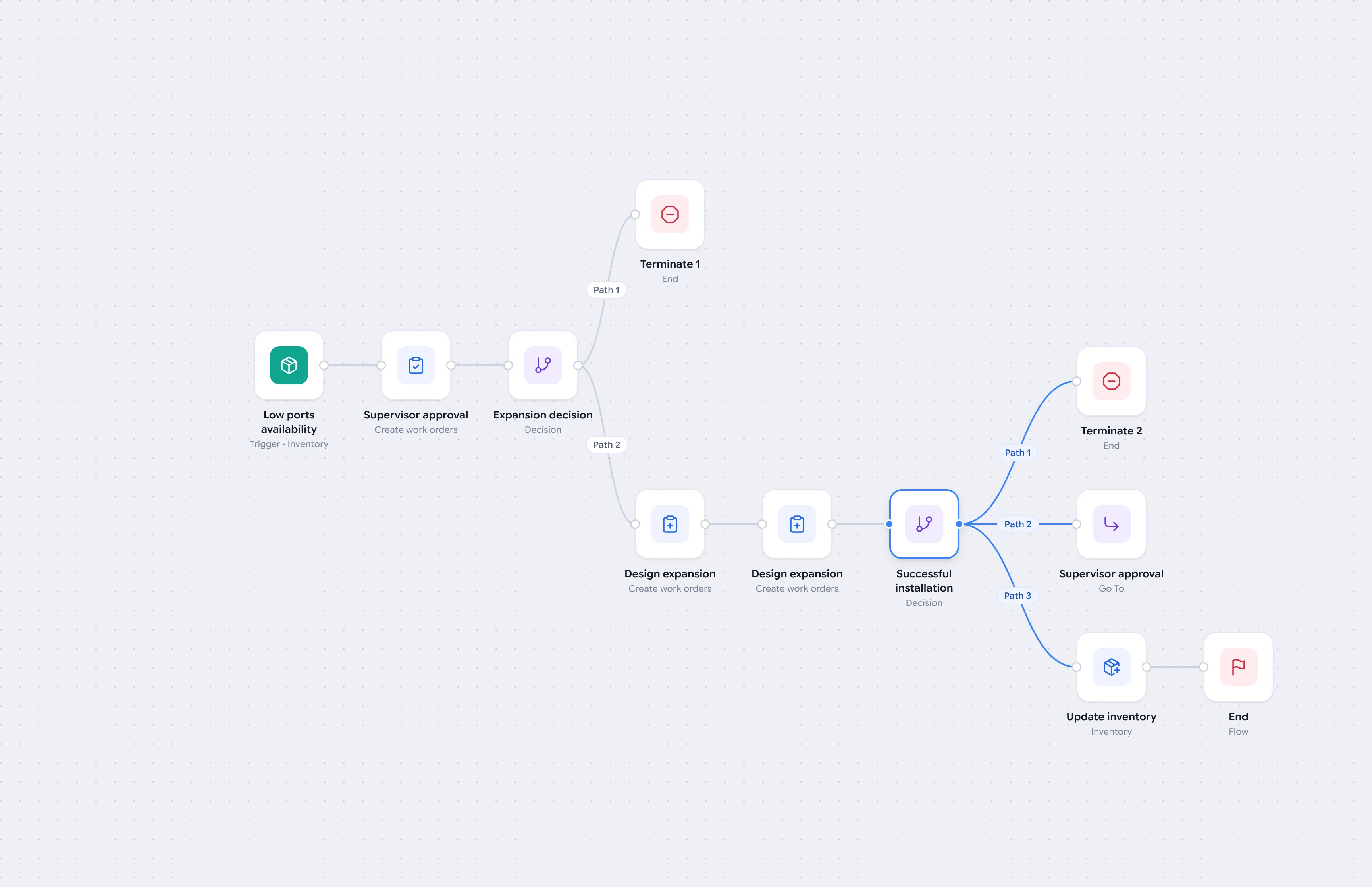
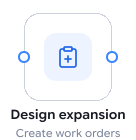
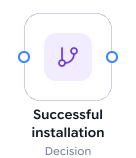
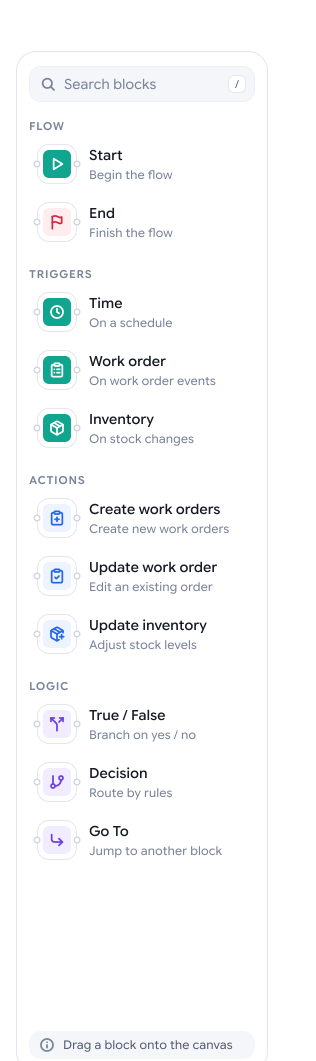
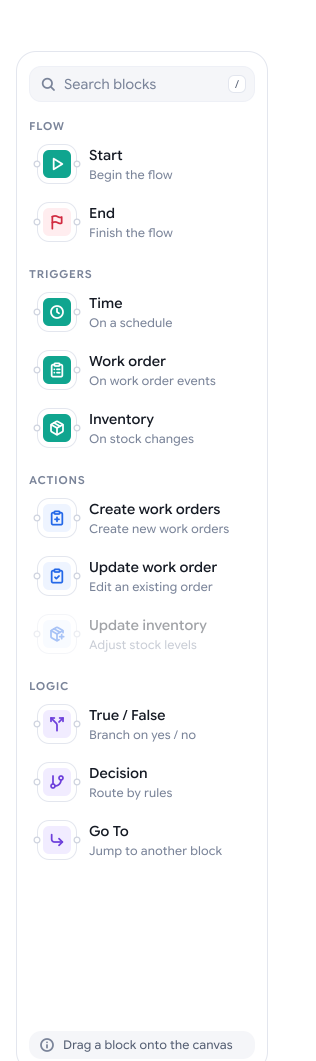
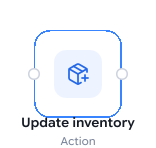
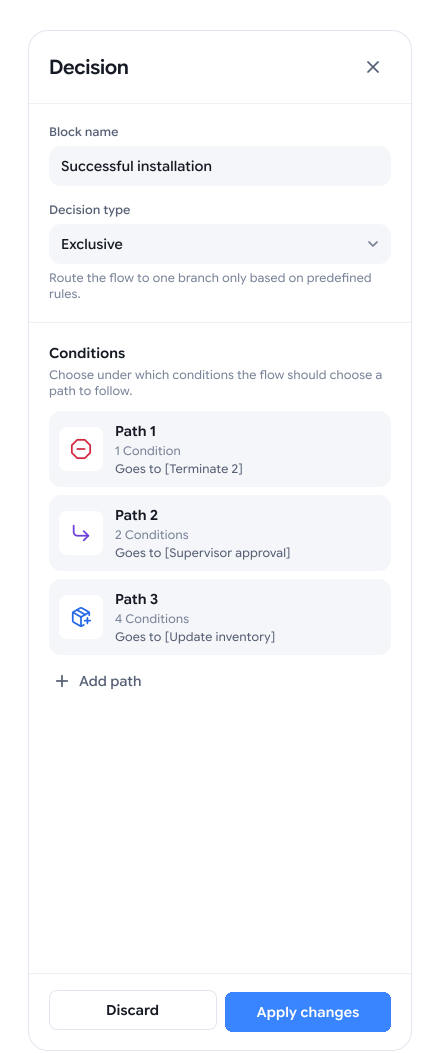
A drag-and-drop flowchart tool where field operators automate repetitive tasks, integrate with existing apps and company databases, and reuse flows as building blocks of other flows. Being open source, it also gave teams a path to customize and extend the tool themselves — something none of their previous, closed vendor tools allowed.


03Process
Symphony started from a blank page: there was no existing product to improve, so the platform, its design language and its first apps were all built from scratch. The field itself, building and running network infrastructure, was deeply technical and new to me, so I started by learning it from the people who work in it.
I held direct sessions with partner teams in Peru, Spain and Israel, observing their day-to-day and weekly operations to find where software — and automation in particular — could have the most impact, then designed and refined the apps based on their feedback.
For about half of the project there was no product manager, so the engineering lead and I filled that role together, co-managing the project’s planning and the partner relationships, meeting partners and presenting progress to gather ongoing feedback. Once a PM joined, I worked closely with the PM and the engineering lead, alongside one other designer.
04Results
We did not have many design partners, about four, but all of them were already using the system. The inventory and work-order apps replaced the systems they had before, and some teams managed their actual day-to-day inventory with the tools we built.
Because Symphony was open source, partners could take the code and keep using it even after the project was cancelled.
The Scheduler and the Flow Builder were still in development when I went on parental leave, and the broader project was ultimately cancelled due to COVID’s impact on the business.